


Less chemical residues. Greater control. A safer supply chain.
Veganic Food Care connects growers, supermarkets and distributors to produce fruit and vegetables with lower chemical residues — without giving up yield or profitability. It works through Integrated Pest Management (IPM) protocols and soil health strategies applied directly in the field, and it reports back with measurable KPIs.

Residue compliance has stopped being a paperwork problem and become a commercial one. Supermarkets answer for what reaches the shelf, but they do not run the field operations where residues are actually decided. Food Care closes that gap: Veganic designs the IPM programme, the grower applies it, and every result is measured against the grower’s usual practice.
A collaborative model between Veganic, supermarkets and producers to roll out Integrated Pest Management programmes focused on sustainable agriculture, reducing or eliminating the use of synthetic chemical products. It is not a certificate and it is not a product range: it is a working framework where the supermarket sets the standard, the grower applies the protocol and Veganic provides the technology, the support and the measurement.
Veganic Food Care enables supermarkets to ensure full regulatory and residue compliance by connecting them with tailored IPM programmes implemented directly in the field — without managing technical field operations themselves.

Efficacy, incidence and severity, measured against the grower’s usual practice.

Microbiome populations and nutrient availability in soil and leaf samples.

Number of treatments applied over the full crop cycle.

Sum of % MRL on fruit, sampled during the harvest window.

EIQ Cornell index: toxicity, persistence and impact on operators, consumers and biodiversity.

Kilograms harvested per plot, compared plot to plot.

Return on investment, including the extra cost of the programme.
Veganic acts as a specialised technical partner, not as a supplier reporting on itself.
Pilot trial on snack cucumber, Almería (Spain), Cohorsan SCA · November 2025 – March 2026 · 12,000 m² greenhouse, two 6,000 m² plots, four repetitions per treatment. Every figure below was measured in commercial production conditions, not in a laboratory.
Greater control and consistency across your supply base, lower reputational and rejection risk, and production aligned with your own quality and sustainability standards. Veganic acts as the specialised technical partner supporting your growers.
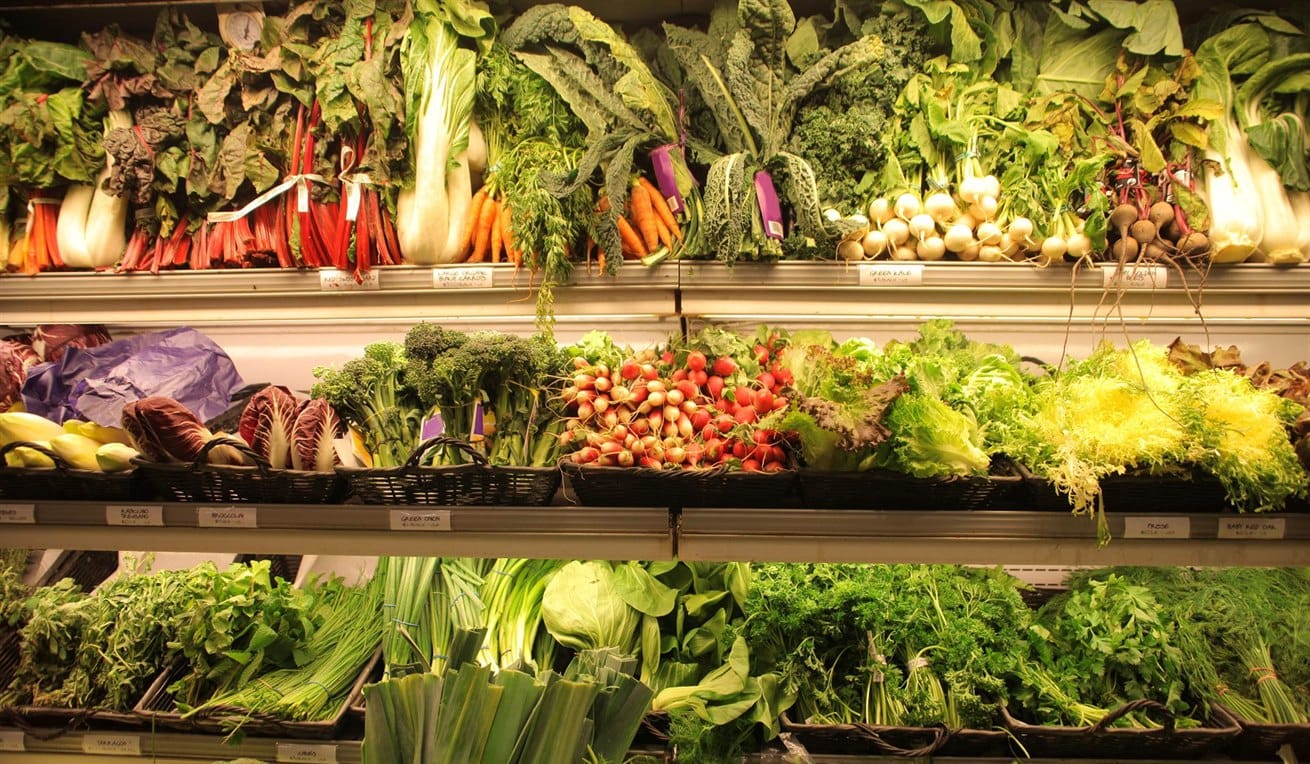
Yield is not the price you pay: in the pilot trial production went up 13.15% and profitability improved by over €8,100 per hectare. Biofertilisation and regeneration strategies improve nutrient availability, and the protocol is designed, adjusted and monitored crop by crop.
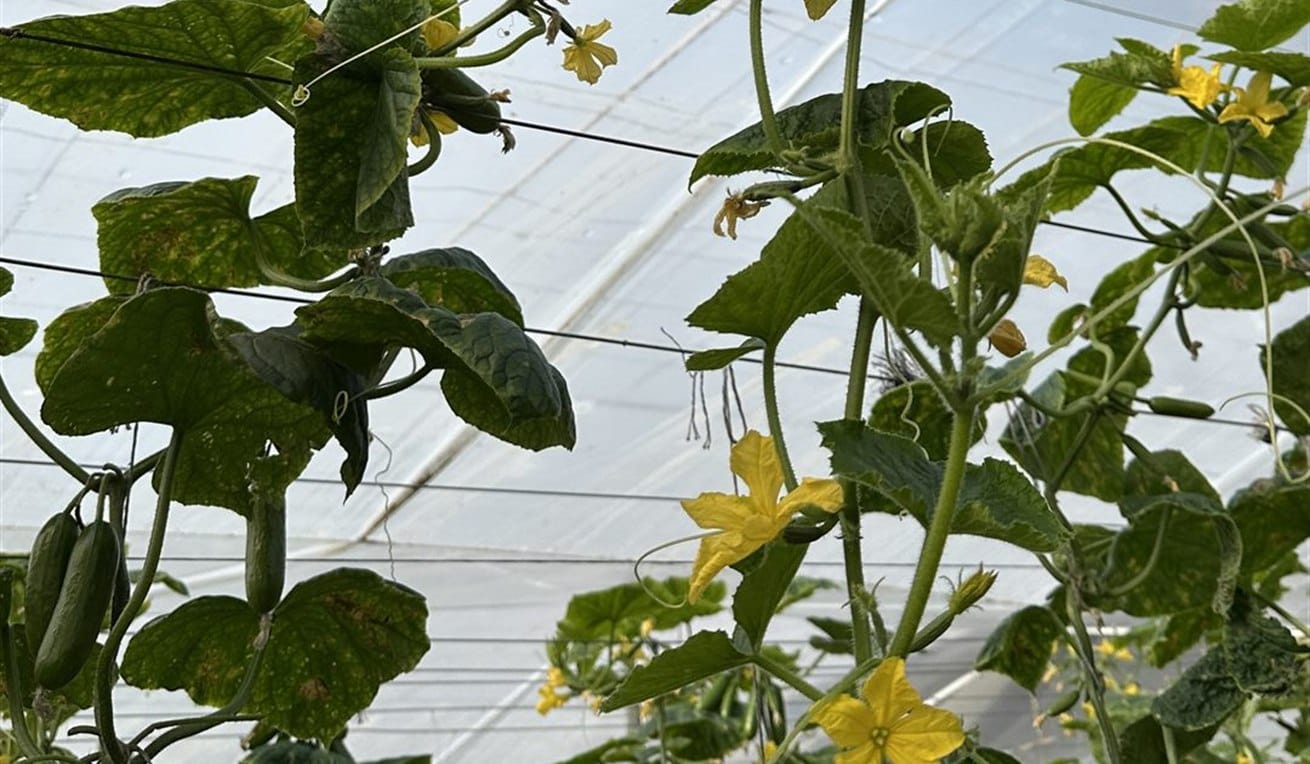
Synthetic treatments dropped from 28 to 8, the cumulative sum of % MRL fell 88.3% and the EIQ Cornell index went from 156.7 to 48.3. The full experimental design, the incidence and severity curves for every pest and the complete ROI table are in the article.

Sets the residue and quality standard for its supply base, and gets fruit and vegetables with lower residues plus the evidence to back it.
Apply the IPM protocol in the field, with technical support, maintained productivity and better margins.
Veganic designs the programme, trains the teams and measures the KPIs as an independent technical partner; the local distributor supplies the product range.
No. It means replacing as much synthetic chemistry as possible with biosolutions and beneficial fauna, keeping conventional tools as a last resort. In the pilot trial, synthetic treatments dropped from 28 to 8 — they did not disappear, and control improved.
Supermarkets and distributors that answer for the residue profile of what they sell, and the growers supplying them.
The protocol is designed crop by crop. The first validated pilot was snack cucumber under greenhouse conditions in Almería.
Through seven measurable KPIs, compared against the grower’s usual practice in the same trial and under commercial production conditions — not in a laboratory.
The programme involves a slightly higher investment per hectare, more than offset in the trial by the extra harvest: over €8,100 per hectare in additional return.
The reference trial ran a full crop cycle: November to March.
We use our own and third-party cookies to provide statistical data and information about users’ browsing habits; this helps us improve our content and services, and even display advertising related to users’ preferences. You can enable these cookies by clicking the “Accept cookies” button. If you prefer to keep these cookies disabled, click the “Reject cookies” button. You can also enable or disable the cookies you prefer by clicking the “Customize cookies” button. More information is available in our Cookie Policy and Privacy Policy.
Visit us at

6-8 Oct. 2026
and enjoy free 
powered by Veganic®
Stand 3C28, hall 3
IFEMA Madrid


