

Organic Biostimulants: What They Are, Types, Benefits, and How to Use Them in Sustainable Agriculture
What Are Organic Biostimulants?
EU Organic Regulation and Certification
Organic biostimulants are natural products designed to improve plant physiology without directly supplying nutrients. Their goal is to enhance processes such as rooting, nutrient absorption, and resistance to abiotic stress. To be considered “organic,” they must comply with specific regulations like Regulation (EU) 2018/848, be free from chemical residues, and carry official certifications such as CAAE or ECOCERT.
They are used in organic, regenerative, and sustainable farming systems that prioritize soil health, food safety, and environmental care.
How Do They Differ from Other Biostimulants?
Unlike conventional biostimulants, organic ones may only contain substances and microorganisms authorized by organic farming regulations. They do not include synthetic compounds or toxic residues. Furthermore, they must be safe for the environment, pollinators, and beneficial soil organisms.
Their use aligns with sustainable practices: they do not pollute aquifers, enhance agroecosystem biodiversity, and enable access to markets that demand organic certification.
Types of Organic Biostimulants by Origin
Plant Extracts, Seaweed, Amino Acids, and Microorganisms
The most common types include:
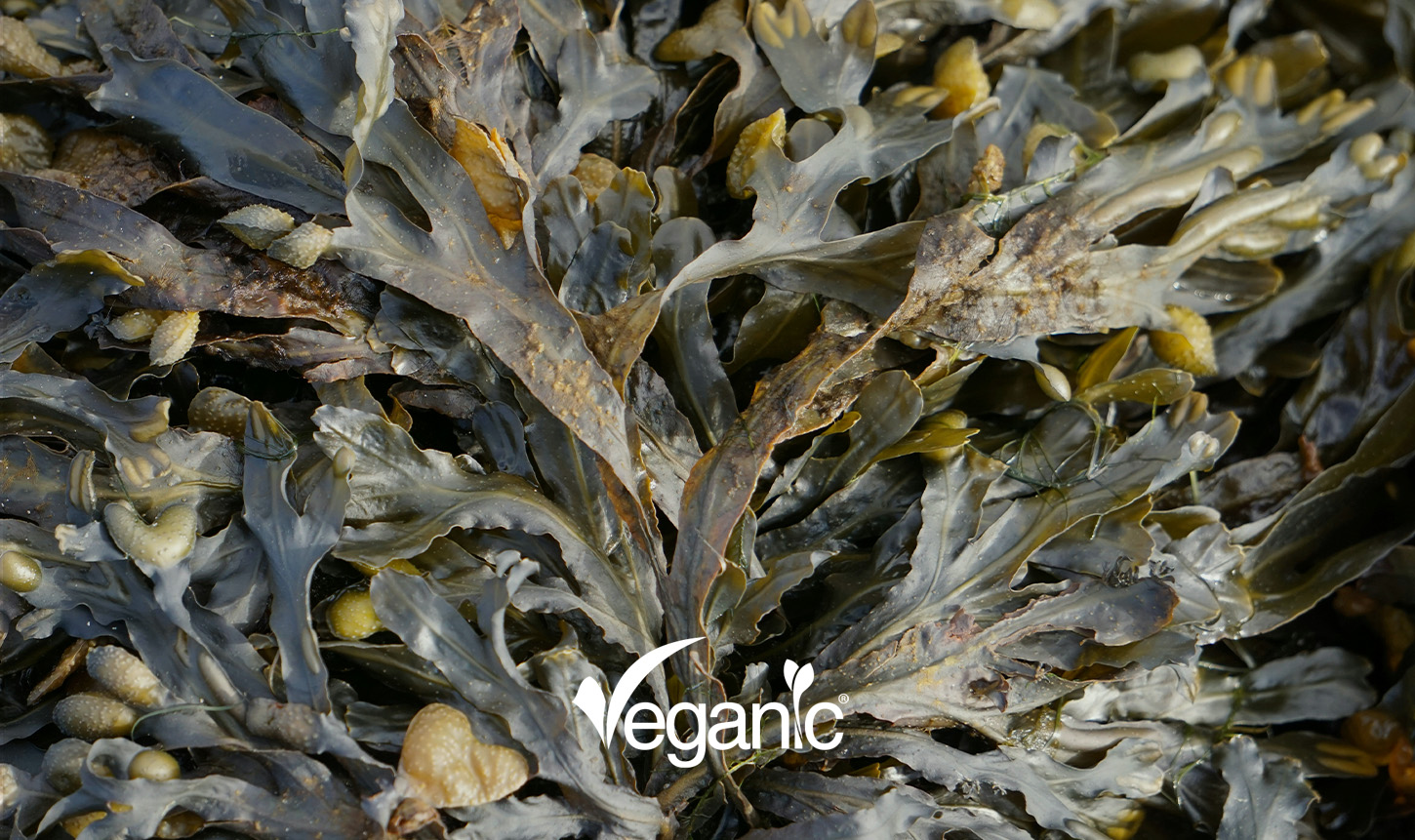
- Seaweed extracts: especially Ascophyllum nodosum, rich in phytohormones and natural antioxidants.
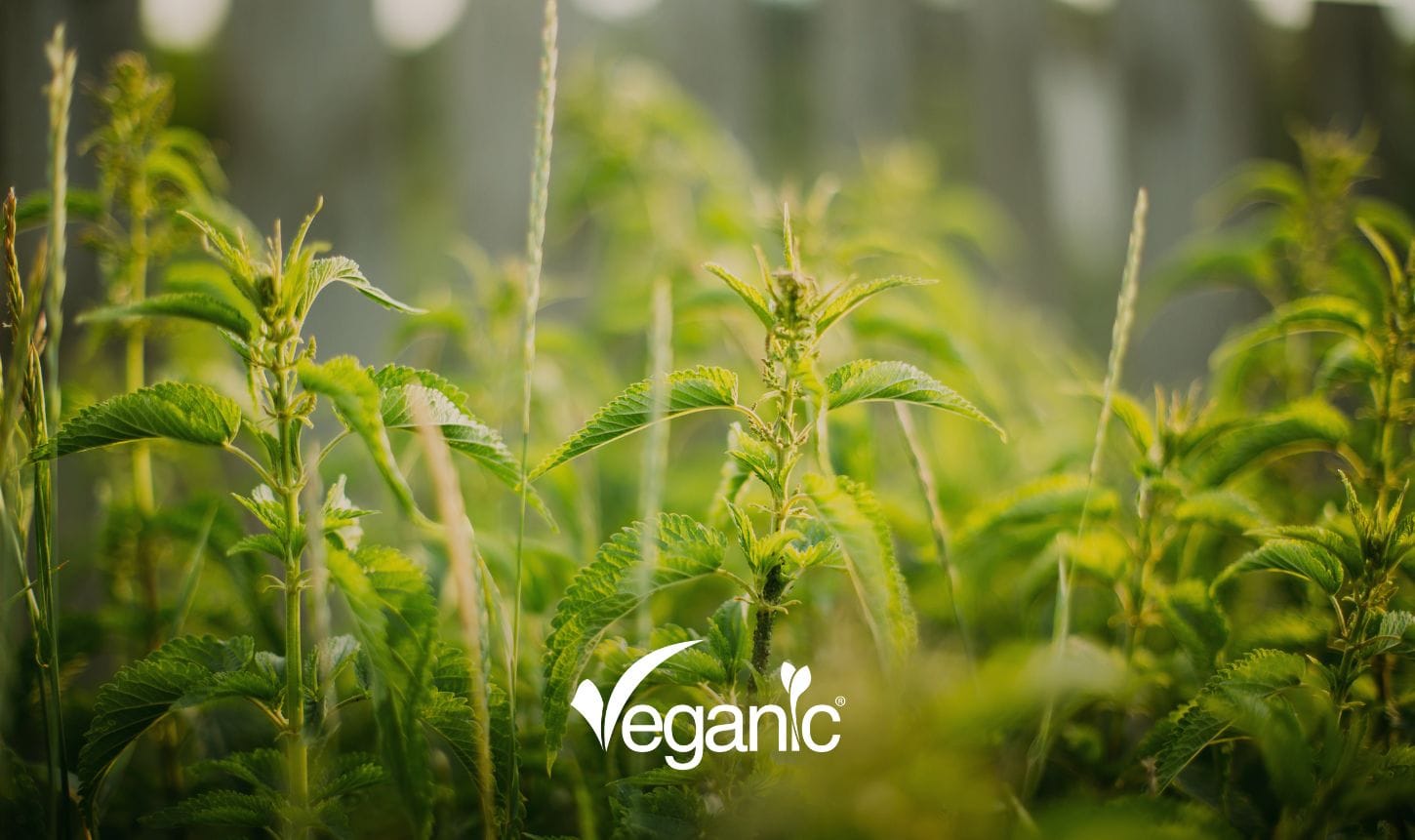
- Plant extracts: such as nettle, horsetail, garlic, or neem, which stimulate natural defenses and improve plant physiology.
- Plant-based amino acids: obtained through hydrolysis, help crops recover from stress.
- Beneficial microorganisms: such as plant growth-promoting rhizobacteria (PGPR) or mycorrhizal fungi.
All of these components must come from sustainable sources and be free of residues or animal-derived elements if seeking vegan certification.
Agronomic and Environmental Benefits
Effects on Roots, Soil, Water Stress, and Fruit Quality
The benefits of organic biostimulants are numerous:
- More active roots: they increase root branching and nutrient absorption capacity.
- Soil improvement: they stimulate microbial activity and soil structure.
- Stress reduction: they boost tolerance to drought, frost, and salinity.
- Higher-quality fruits: they enhance size, color, sugar content, and post-harvest preservation.
They also reduce the need for synthetic inputs, minimizing environmental impact and maintaining long-term soil fertility.
How to Apply Organic Biostimulants in the Field
Foliar, Root, and Fertigation Application
The application method depends on the crop type, growth stage, and desired outcome. Foliar application allows fast absorption, especially useful during critical phases such as flowering or fruit set. Root or fertigation methods act on the root zone and soil, ideal for promoting growth and recovery after transplanting or water stress.
In organic farming, it’s recommended to follow crop-specific application calendars to maximize efficacy without disturbing the ecosystem balance.
Practical Cases in Organic Crops
Results in Vegetables, Vineyards, and Olive Trees
In vegetable crops such as tomatoes or peppers, using seaweed extracts has improved fruit set and resistance to heat stress. In vineyards, organic amino acids have reduced oxidative stress during drought and increased polyphenol concentration in grape must. In organic olive groves, treatments with microorganisms and plant extracts have strengthened vegetative growth and improved flowering.
These results show that ecological biostimulation is not only feasible but provides a competitive advantage for producers committed to sustainability.
How to Choose a Certified and Effective Biostimulant
To select a truly organic product, it is essential to verify:
- That it holds official certification for organic agriculture.
- That its composition is free from residues or synthetic substances.
- That there is evidence of its effectiveness (field trials, publications, or technical validations).
- That it comes with technical support for proper application.
A good choice improves both productivity and sustainability without compromising consumer health or the environment.
In conclusion, organic biostimulants are a key tool for advancing toward modern, profitable, and responsible agriculture. When combined with agroecological practices, they provide an effective path to producing healthy food without compromising future resources.
What are organic biostimulants?
They are certified natural products that stimulate plant development without directly supplying nutrients.
What advantages do they have over conventional ones?
They contain no chemicals, respect biodiversity, and comply with organic regulations such as Regulation (EU) 2018/848.
What types of organic biostimulants exist?
Plant extracts, seaweed, plant-based amino acids, and beneficial microorganisms, all from natural sources.
How are they applied in organic crops?
Via foliar spray, root application, or fertigation, depending on the crop and agronomic goal.
Which crops benefit the most?
Vegetables, vineyards, olive trees, and cereals show very positive results with organic biostimulation.
How to identify a certified biostimulant?
Look for certifications like CAAE or ECOCERT, and ensure its composition complies with current organic regulations.