

Practical Tips to Achieve Sustainable Farming
How to start sustainable farming, step by step: work gradually across soil, water, inputs and biodiversity. This roadmap summarises the practical steps explained below.
- Improve your soil naturally — add compost, green manure and ground cover, and reduce tillage.
- Optimise water use — drip irrigation, moisture sensors and mulching to conserve soil moisture.
- Switch to ecological fertilisation — feed the soil with organic and biostimulant inputs instead of relying on synthetic fertilizers.
- Control pests without synthetic pesticides — use biological control, beneficial insects and preventive methods.
- Rotate and associate crops — break pest cycles and keep the soil covered and diverse.
- Increase on-farm biodiversity — hedgerows, cover crops and habitat for beneficial organisms.
- Use technology and monitor — sensors and data to apply inputs precisely and track progress.
What Do We Mean by Sustainable Farming Today?
Sustainable farming refers to agricultural practices that can be maintained over time without depleting natural resources or compromising future production. These systems reduce the use of external inputs, preserve soil fertility, save water, and minimize environmental impact.
This approach aims to balance food production with ecosystem care. It’s essential to address challenges like climate change, biodiversity loss, and soil degradation.
The Importance of Naturally Improving Soil
Compost, Green Manure, and Ground Cover
Soil is the foundation of any farming system. To maintain its fertility, it’s essential to use organic matter like homemade compost, well-decomposed manure, and green manures. These materials improve soil structure, stimulate microbiota, and increase water retention.
Additionally, ground covers help reduce erosion, provide nutrients, and prevent weed growth.
Minimum Tillage or No-Till Techniques
Avoiding excessive tillage helps preserve soil structure and the biodiversity within it. Minimum tillage or even direct seeding, combined with organic mulching, helps protect the soil ecosystem and reduces carbon emissions.
Water Optimization in Sustainable Systems
Drip Irrigation and Moisture Sensors
Efficient water use is fundamental. Systems like drip irrigation deliver water directly to the roots with minimal evaporation loss. Moisture sensors help irrigate only when necessary, preventing overwatering.
Strategies to Preserve Soil Moisture
Improving soil organic content and using plant-based mulches promote moisture retention. Planting cover crops or creating vegetative windbreaks can also protect the soil from drying out due to wind and sun exposure.
Ecological Fertilization: Efficiency and Balance
Sustainable farming prioritizes organic fertilization using compost, worm castings, or liquid biofertilizers. It’s important to apply only what’s needed, based on soil analysis, to avoid pollution from nutrient excess.
Recycling nutrients within the farm—such as through rotational grazing or using plant residues—also contributes to long-term fertility.
Pest Control Without Chemical Pesticides
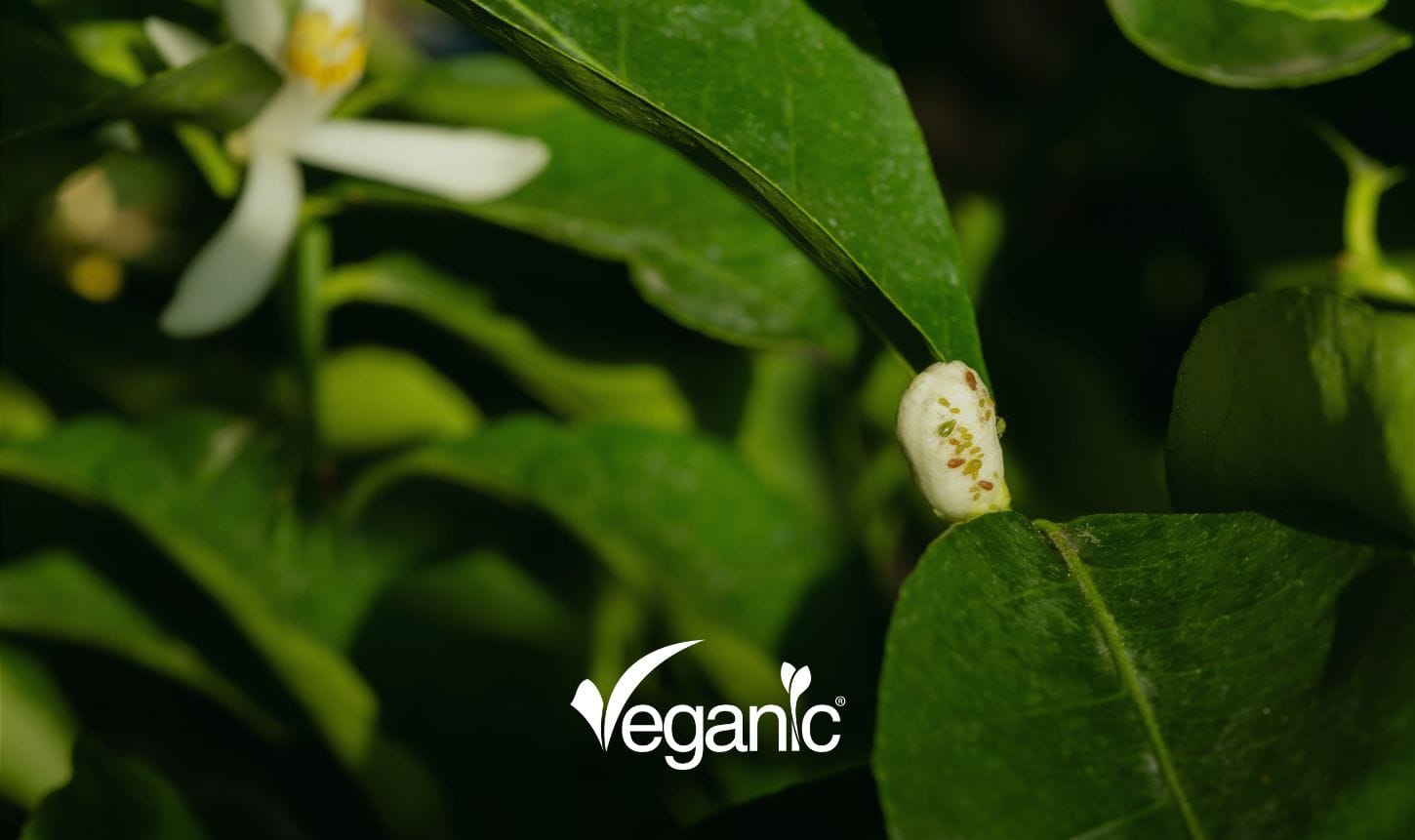
Ecological pest management focuses on prevention, diversity, and balance. Crop rotation, polycultures, and planting repellent species help control pest populations naturally.
Natural preparations like neem oil, potassium soap, or garlic and nettle infusions can be used. Encouraging beneficial insects like ladybugs or insectivorous birds is another key strategy.
Crop Associations and Rotation for Sustainability
Crop rotation breaks pest and disease cycles, improves soil structure, and balances nutrients. Associations like corn-bean-squash (Three Sisters) or carrot-chive are examples of beneficial intercropping.
These practices improve space efficiency, reduce input needs, and increase overall productivity of the system.
How to Increase Biodiversity on Your Farm
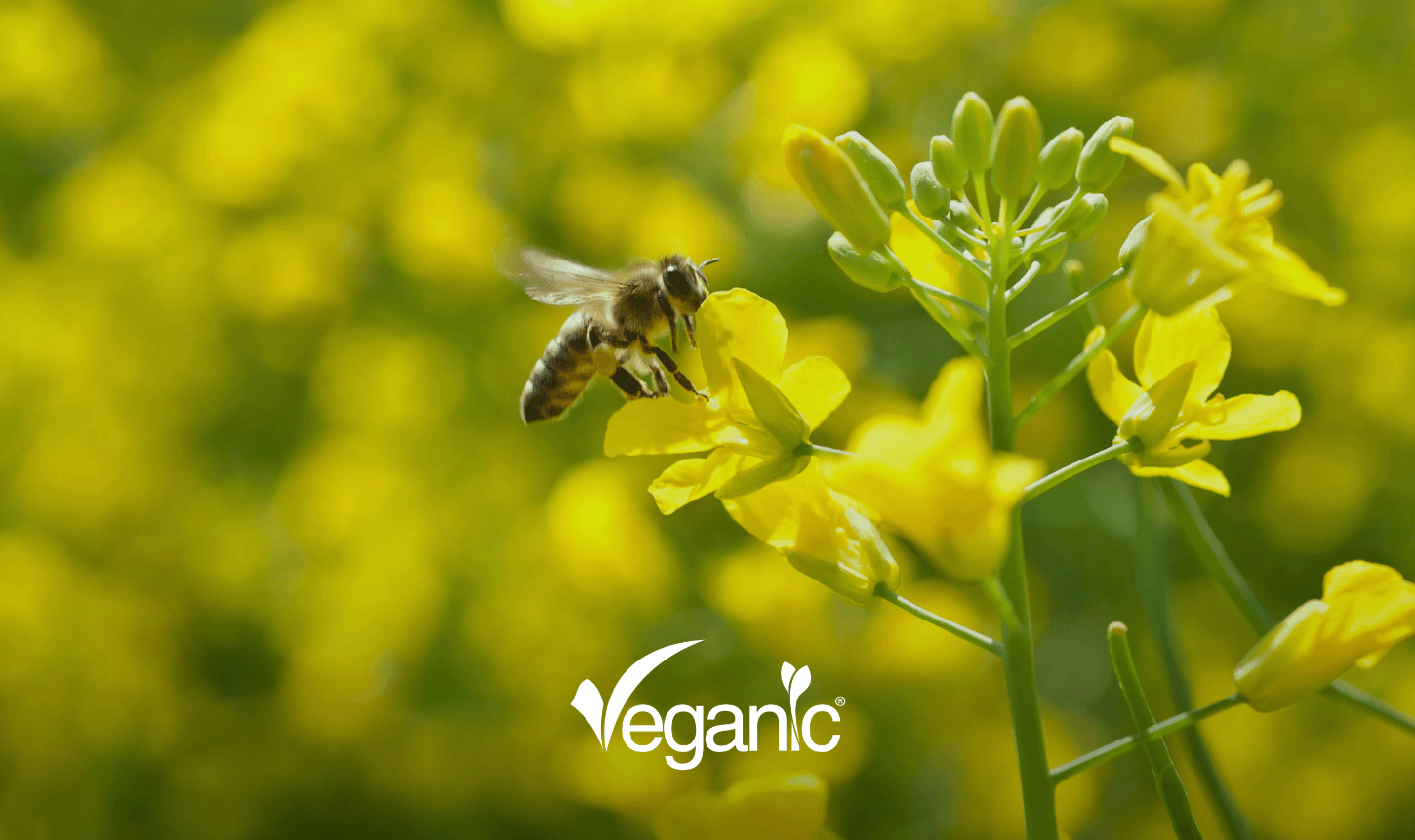
A sustainable farming system needs biodiversity. Promote it by integrating living hedgerows, pollinator habitats, ponds, or areas with natural vegetation. This diversity builds ecological resilience and facilitates natural pest control.
It’s also helpful to diversify crops in space and time to reduce risk and enhance system stability.
Agricultural Technology in Support of Sustainability
Tools like drones, moisture sensors, weather stations, and farm management software enable more precise decisions and reduce unnecessary resource use.
Technology and sustainability are not opposites—used properly, tech can be a strong ally for improving environmental and energy efficiency.
Common Mistakes When Trying to Farm Sustainably
- Not adapting crops to the local climate: increases water demand and pest risk.
- Applying too much compost without prior soil analysis.
- Neglecting preventive pest control: relying solely on treatments without managing the ecosystem.
- Failing to plan crop rotation or repeating nutrient-depleting crops.
- Overreliance on machinery: reduces soil biodiversity and increases compaction.
Avoiding these mistakes helps maintain system sustainability in the long term and improve yields.
What are sustainable crops?
They are agricultural production systems that respect the environment, conserve natural resources, and can be maintained over time without degrading soil or water.
What techniques are used in sustainable farming?
They include crop rotation, use of organic fertilizers, natural pest control, water-saving methods like drip irrigation, and minimal tillage.
How can I make my crop more sustainable?
Start by analyzing your soil, reducing chemical inputs, improving biodiversity, and applying practices that regenerate the agricultural ecosystem.
What are the benefits of sustainable crops?
They improve soil fertility, reduce long-term costs, increase resilience to climate change, and produce healthier food.
What mistakes should I avoid in sustainable farming?
Failing to analyze soil, applying compost without control, repeating nutrient-depleting crops, and irrigating without a plan can compromise system sustainability.
Is it profitable to apply sustainable farming techniques?
Yes. Although the initial investment may be higher, sustainable systems lower input costs and improve long-term productivity.
How do I start sustainable farming?
Start by improving soil health (compost, cover crops, less tillage), optimising water use, replacing synthetic inputs with ecological fertilisation and biological pest control, rotating crops, and boosting biodiversity. Introduce the changes gradually and monitor the results.
What is sustainable farming?
Sustainable farming is a way of producing food that can be maintained over time without depleting natural resources. It preserves soil fertility, saves water, reduces external inputs and protects biodiversity, balancing productivity with care for the ecosystem.