


Soil Microbiology: The Key to More Efficient and Sustainable Agriculture
Beneath the surface of every productive agricultural field lies an ecosystem of staggering biological complexity. A single gram of healthy agricultural soil contains between 100 million and 1 billion bacteria representing tens of thousands of species, alongside hundreds of metres of fungal hyphae, thousands of protozoa and nematodes, and countless viruses that regulate microbial populations. […]
How to Improve Early Crop Development and Increase Stress Resistance
The first weeks after germination or transplanting are the most critical and vulnerable phase of any crop cycle. Establishing strong root systems, promoting vigorous vegetative growth and building physiological resilience to abiotic stress during this window determines yield potential for the entire season. Early crop development is not merely a matter of genetic potential — […]
Integrated Pest Management: The Key Strategy for European Agriculture
What is Integrated Pest Management Integrated Pest Management (IPM) is a crop protection strategy that combines different control methods with the aim of reducing the use of chemical crop protection products without compromising crop productivity. Unlike traditional systems based solely on chemical treatments, IPM relies on prevention, pest monitoring, biological control, and agronomic crop management. […]
Farming with Fewer Chemicals: How to Produce Sustainable Food Without Losing Productivity
Introduction: The Shift Toward Low-Chemical Agriculture European agriculture is undergoing a major transformation in recent years. New regulations, the reduction of approved active substances, supply chain demands, and the growing need for safer food are driving a model of farming with fewer chemicals. This change does not mean producing less, but producing differently. The current […]
How to reduce pesticide residues in fruits and vegetables from the field

Introduction: the challenge of reducing residues in modern agriculture The reduction of pesticide residues in fruits and vegetables has become one of the main challenges for the European agri-food sector. Regulations, supermarkets, export markets, and agricultural certifications increasingly demand lower residue levels, forcing farmers and technicians to rethink crop protection strategies. Today, producing food is […]
Bacillus and Trichoderma in agriculture: how beneficial microorganisms protect crops
Introduction Beneficial microorganisms in agriculture have become a key tool within modern farming. As agricultural systems evolve towards more sustainable models, the use of biological solutions for crop protection is gaining prominence over traditional approaches based exclusively on chemical products. Among the most widely used microorganisms are bacteria of the genus Bacillus and fungi of […]
Fungal diseases in stone fruit trees: how to prevent Monilia and Taphrina from flowering
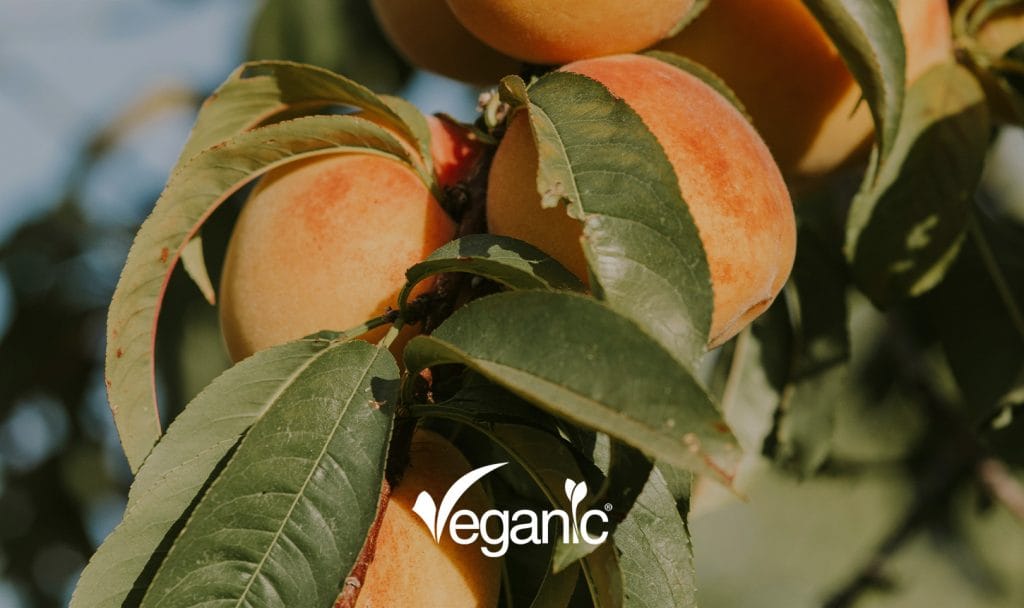
Stone fruit trees such as peach, nectarine, apricot and cherry are crops particularly sensitive to various fungal diseases during the early stages of the vegetative cycle. Among the most relevant pathogens are Monilia spp. and Taphrina deformans, two fungi capable of infecting flowers, shoots and young leaves, compromising production from the very start of the […]
Diseases in grapevine and table grape: how to prevent Botrytis and protect the vineyard
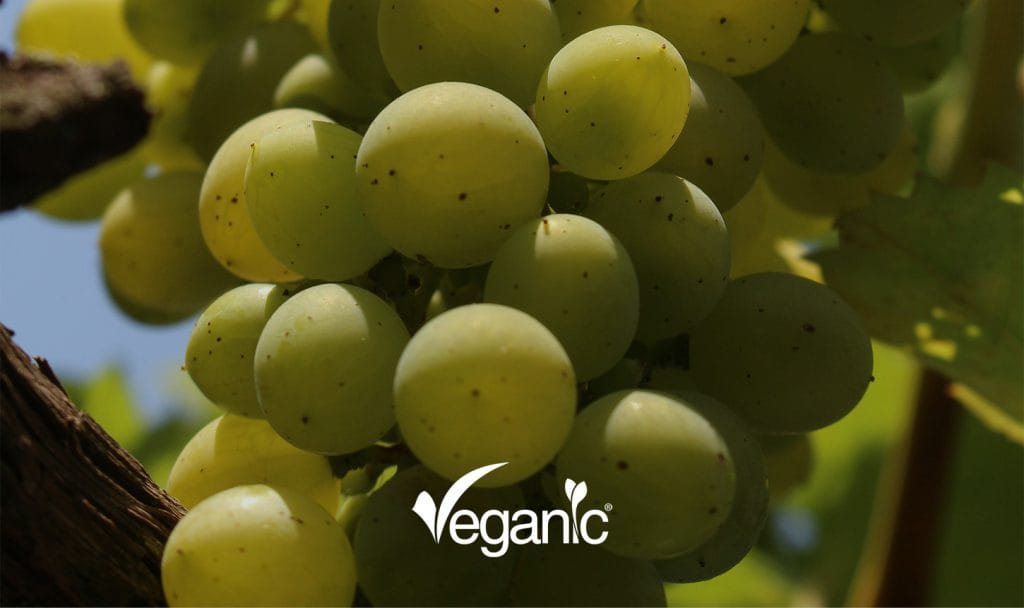
Botrytis in grapevine is one of the most important fungal diseases in vineyards worldwide. This pathogen, caused by the fungus Botrytis cinerea, can lead to significant losses in both yield and grape quality when environmental conditions favour its development. Commonly known as grey mould, this disease primarily affects grape clusters, although it can also appear […]
Biostimulants for Seed Treatment

Biostimulants for Seed Treatment: Improving Germination and Early Vigor The first stages of a crop’s life define its entire productive potential. A strong, uniform and healthy emergence leads to better root systems, improved nutrient uptake and higher resilience throughout the season. For growers seeking better stand establishment, seed treatment biostimulants offer an efficient and science-based […]
Veganic’s Integrated Grapevine Protection at the Beginning of the Vegetative Cycle

The beginning of the vegetative cycle is one of the most critical stages in vineyard disease management. As the vine resumes physiological activity and new tissues develop, young shoots and leaves become highly susceptible to fungal infections. During this stage, vineyard protection strategies must focus on structured, preventive approaches that strengthen plant resilience, optimize crop […]


