


Citrus Tree Care: Key Factors for Better Fruit Size and Quality
Fruit size is the variable that most directly determines the profitability of a citrus orchard. Price scales in fresh markets are built on calibre, and the difference between a batch that falls into the preferred size grades and one that sits just below can exceed the cost of the whole season’s fertilisation programme. Yet size […]
Neo Prime and Beneficial Insects: Training Plants While Respecting Their Natural Allies
The agriculture of the future is not only about fighting pests. It is about developing crops that are better prepared to interact with their environment and fully harness the potential of the biology that surrounds them. Plant Primers were created with this objective: to train plants to better face field challenges, enhancing their natural response […]
Natural Eucalyptus Terpenes in Agriculture: How They Act and Where They Fit
Terpenes are the largest family of secondary metabolites in the plant kingdom, with more than 30,000 described compounds. They are responsible for the aroma of a pine forest, for the bitterness of citrus peel and for a substantial part of the chemical defence that plants deploy against the organisms that attack them. Eucalyptus is one […]
Acaricide for Mites: How Rutaceae Extracts Help Control Spider Mites
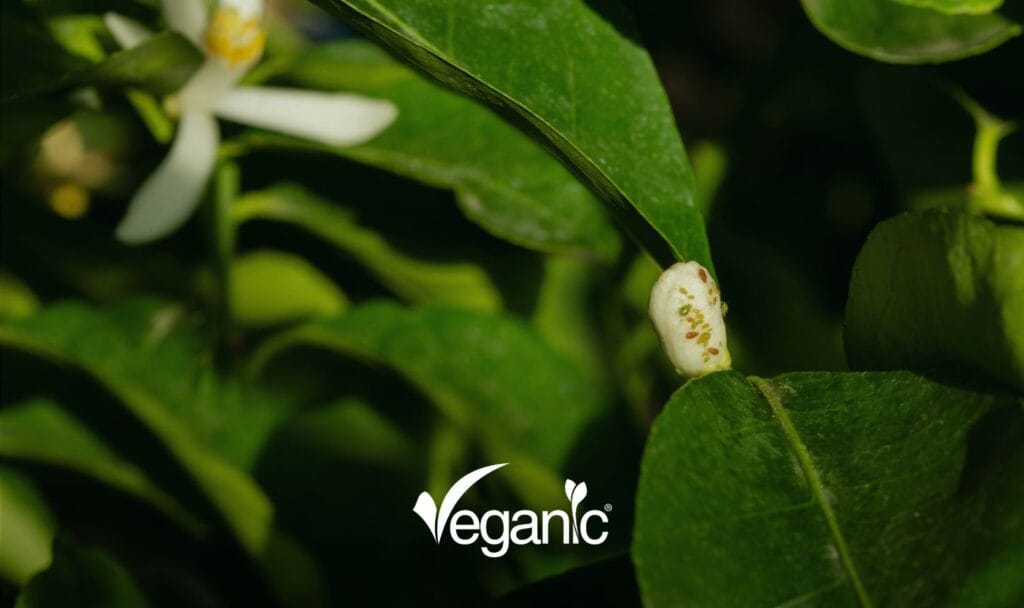
Acaricide options have narrowed considerably. Several conventional active substances have been withdrawn from the European market, resistance in Tetranychus urticae is documented against most remaining chemical families, and the short generation time of spider mites means that any new molecule is under selection pressure from the moment it is introduced. At the same time, spider […]
Natural Insecticides: How Nettle and Chia Extracts Act Against Crop Pests
Interest in botanical insecticides has grown for reasons that have little to do with fashion. The number of authorised conventional active substances in the European Union has fallen substantially over the last two decades, resistance has developed in most economically important pests, maximum residue limits demanded by retailers are increasingly stricter than those set by […]
Spider Mites in Crops: How to Detect and Control Them Effectively
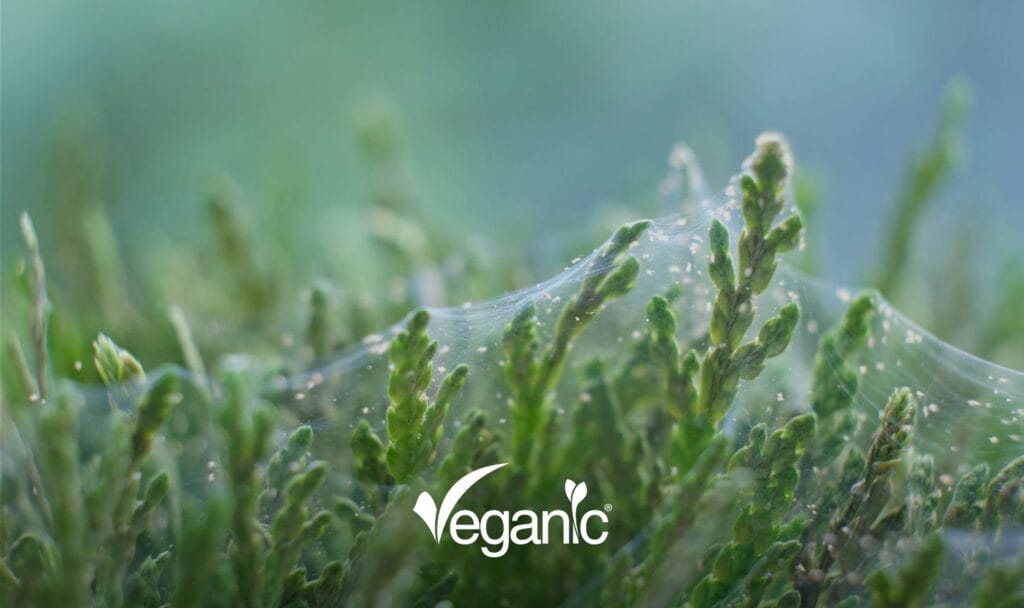
Spider mites are among the few pests capable of taking a crop from apparently healthy to visibly damaged in under three weeks. Their size works against the grower: at 0.4–0.5 mm, a founding population is effectively invisible during routine crop walks, and by the time stippling and webbing are obvious from the row, several overlapping […]
What Are Rhizobacteria (PGPR) and How They Improve Soil Fertility
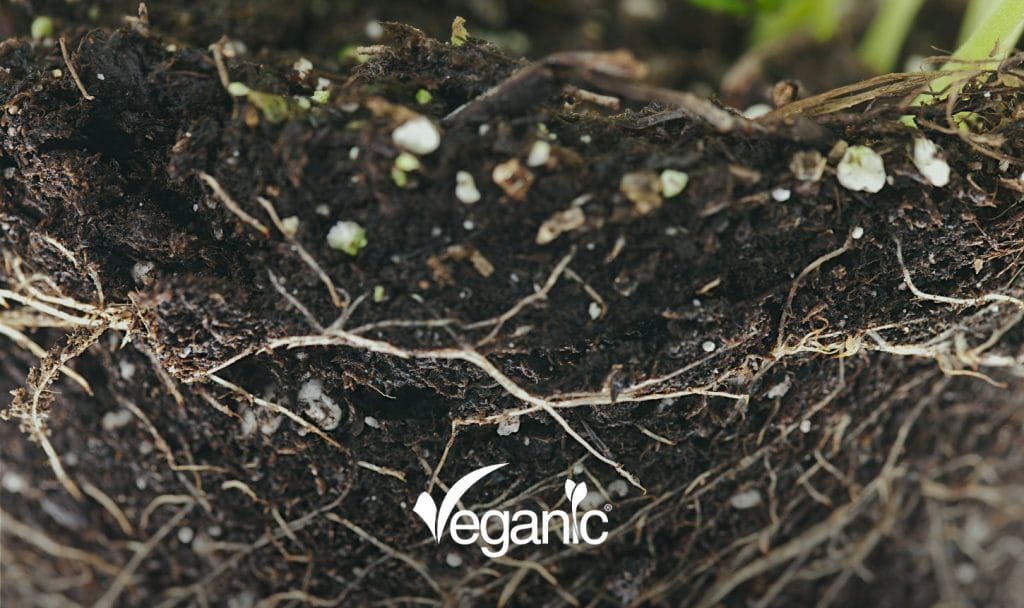
The rhizosphere — the narrow zone of soil directly influenced by root exudates — is one of the most biologically active environments on Earth. Within this zone, plant roots and soil microorganisms engage in complex, mutually beneficial exchanges that shape plant nutrition, health and resilience. Among the most agronomically significant members of the rhizosphere microbiome […]
The Role of Sulphur in Plant Nutrition: Key to Metabolism and Productivity
Sulphur has historically been the overlooked macronutrient — overshadowed by nitrogen, phosphorus and potassium in both research attention and fertilisation programmes. Yet its role in plant metabolism is fundamental and irreplaceable. As atmospheric sulphur deposition has declined sharply across Europe and North America over the past three decades — a consequence of reduced industrial emissions […]
How to Control Whitefly in Vegetable Crops Organically

Whitefly is among the most economically damaging insect pests in protected and outdoor vegetable production worldwide. Its combination of rapid reproduction, cryptic feeding behaviour, broad host range and capacity to transmit plant viruses makes it a persistent challenge for crop protection programmes in tomato, pepper, cucumber, lettuce, courgette and numerous other horticultural crops. For growers […]
Botanical Bioinsecticides: How Garlic, Thyme and Cinnamon Extracts Work
The search for effective and sustainable alternatives to chemical phytosanitary products has accelerated the development of botanical bioinsecticides – active substances derived from plant extracts capable of controlling agricultural pests without leaving harmful residues in soil, water or produce. Among the most studied and commercially viable are extracts of garlic, thyme and cinnamon, three natural […]


