

10 Essential Tips for Applying Regenerative Agriculture to Your Crops
Tip 1: Analyze the Soil Before Taking Action
Everything starts with understanding the current condition of the soil. Perform a physical, chemical, and biological analysis to identify deficiencies and potential. Assess compaction, microbial activity, and nutrient availability.
This data will allow you to make informed decisions and design a regeneration plan tailored to your context.
Tip 2: Avoid Tillage, Protect and Cover the Soil
Avoid tilling or reduce it to a minimum. Plowing disrupts soil structure and destroys beneficial microorganisms. Instead, use no-till or minimal disturbance techniques.
Protect the soil with natural mulches, plant residues, or living crops. This reduces erosion, retains moisture, and supports microbial life.
Tip 3: Incorporate Green Manure and Organic Matter
Green manures such as legumes provide natural nitrogen, improve soil structure, and increase organic matter. Adding well-composted manure or plant residues accelerates the regeneration of the soil ecosystem.
Tip 4: Use Cover Crops Year-Round
Never leave the soil bare. Plant cover crops between harvests to protect the surface, fix nutrients, and feed soil biota.
Mixes with oats, vetch, clover, or mustard work well depending on the region and main crop.
Tip 5: Rotate and Diversify Your Crops
Crop rotation prevents soil exhaustion, breaks disease cycles, and improves overall ecosystem health. Diversifying species over time and space is a key principle in regenerative agriculture.
Intercropping main and secondary crops or practicing polyculture enhances results.
Tip 6: Include Trees, Hedges, or Living Fences
Agroforestry or incorporating perennial vegetation improves the microclimate, reduces wind impact, attracts pollinators, and protects the soil. Living hedges, tree strips, or native shrub fences also capture carbon and provide shelter for beneficial wildlife.
Tip 7: Apply Regenerative Compost and Bioferments
Regenerative compost is rich in beneficial microorganisms, improves soil structure, and slowly releases nutrients in a balanced way. You can also use liquid bioferments made from organic waste to nourish and reactivate the soil.
Tip 8: Promote Functional Biodiversity
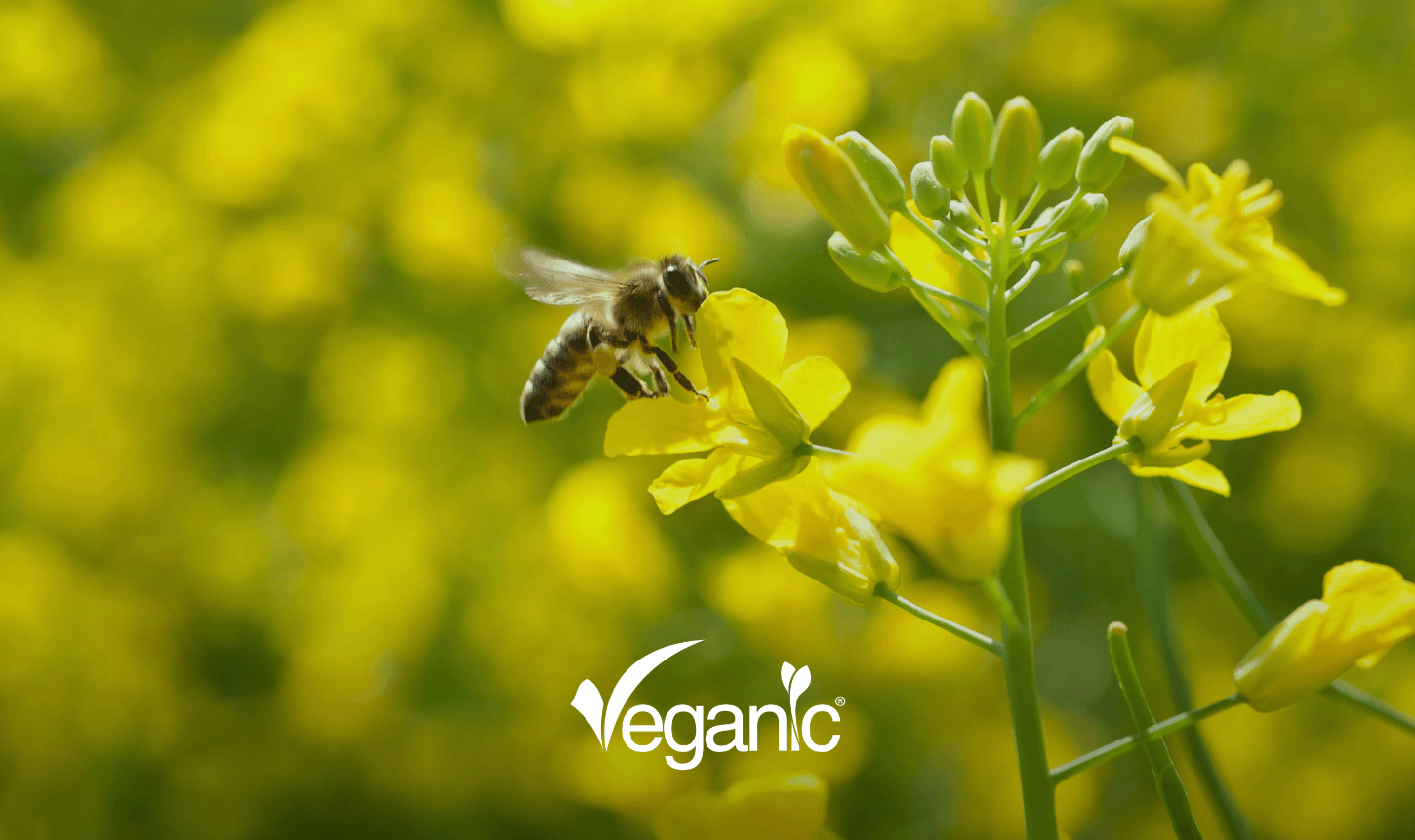
Integrate aromatic plants, flowers, beneficial insects, and pollinators. Functional biodiversity protects against pests, stabilizes biological processes, and reduces dependence on external inputs.
Create a living environment where natural balance prevails.
Tip 9: Manage Water with a Regenerative Approach
Water is life. Design your plot using contour lines, infiltration ditches, and vegetative barriers to retain rainwater. Drip irrigation, water harvesting, and efficient management help sustain production without depleting resources.
Tip 10: Measure, Evaluate, and Adapt Your Practices
Regenerative agriculture is dynamic. Observe your system, monitor indicators like infiltration, organic matter, and biodiversity, and adapt based on results.
Continuous improvement is essential for a truly regenerative system.
What is regenerative agriculture?
It is a farming approach that aims to restore soil fertility, increase biodiversity, and capture carbon, regenerating the productive ecosystem.
How is regenerative agriculture different from organic farming?
While organic farming seeks to avoid harming the environment, regenerative agriculture goes further: it actively improves soil, water, and biodiversity on an ongoing basis.
What are the main regenerative agriculture tips?
Analyze the soil, avoid tillage, cover the soil, use green manures, rotate crops, add compost, and promote beneficial biodiversity.
What crops can be used in regenerative agriculture?
You can grow vegetables, cereals, legumes, or perennials, as long as they are suited to the climate and integrated into diverse, rotated systems.
How can a degraded soil be regenerated?
By applying organic matter, avoiding tillage, planting cover crops, and enhancing microbial life with compost and bioferments.
What benefits does regenerative agriculture offer?
It improves soil structure, increases water retention, reduces pests, captures CO₂, and boosts medium- and long-term profitability.