

What Are Organic Fertilizers? Benefits, Types and Uses Explained
In the world of biotechnology and agriculture, the move towards eco-friendly fertilisation practices is more urgent than ever. Among the most promising tools available to farmers and gardeners are organic fertilizers. But what are organic fertilizers exactly? This article provides a comprehensive overview, including their definition, benefits, types, and role in modern sustainable agriculture.
What Exactly Are Organic Fertilizers?
Natural Sources of Organic Fertilizers
Organic fertilizers are nutrient-rich substances derived from natural sources such as plants, microorganisms, or minerals. Unlike synthetic fertilizers, they are not manufactured through industrial chemical processes but instead come from renewable biological materials.
Characteristics That Define Organic Inputs
To qualify as organic, these fertilizers must meet specific standards: they must be biodegradable, low in toxicity, and derived from materials approved by organic farming regulations. Examples include compost, manure, bone meal, and seaweed extract.
Key Differences Between Organic and Chemical Fertilizers
Nutrient Release and Soil Impact
One major difference lies in the way nutrients are released. Organic fertilizers tend to release nutrients slowly as they break down, improving soil structure and promoting long-term fertility. In contrast, chemical fertilizers deliver quick results but often lead to soil degradation over time.
Environmental and Health Considerations
Organic fertilizers contribute less to water contamination, reduce the risk of toxic buildup, and promote a balanced ecosystem. Chemical alternatives, on the other hand, can result in nitrate leaching, eutrophication, and exposure to harmful residues.
| Aspect | Organic Fertilizers | Chemical Fertilizers |
|---|---|---|
| Origin | Natural sources such as compost, manure, plant and mineral materials | Synthetically manufactured using chemical processes |
| Nutrient Release | Slow and gradual, dependent on microbial activity | Fast and immediate availability |
| Soil Health | Improves soil structure, biodiversity and fertility | May degrade soil structure over time |
| Environmental Impact | Low risk of pollution and nutrient runoff | Higher risk of leaching and water contamination |
| Long-Term Effect | Builds sustainable soil productivity | Short-term growth boost |
According to research by the Food and Agriculture Organization (FAO), organic fertilizers play a key role in improving long-term soil health and sustainable farming systems.
Organic fertilizers are made from natural materials and release nutrients slowly, improving soil health and microbial life over time. Chemical fertilizers are synthetic, act quickly, and can increase short-term crop growth, but they do not improve soil structure and may cause environmental issues if overused.
- Best for long-term soil health: Organic fertilizers
- Best for fast nutrient correction: Chemical fertilizers
- Lower environmental impact: Organic fertilizers
Main Types of Organic Fertilizers Used in Vegan Agriculture
Plant-Based Fertilizers (Compost, Seaweed)
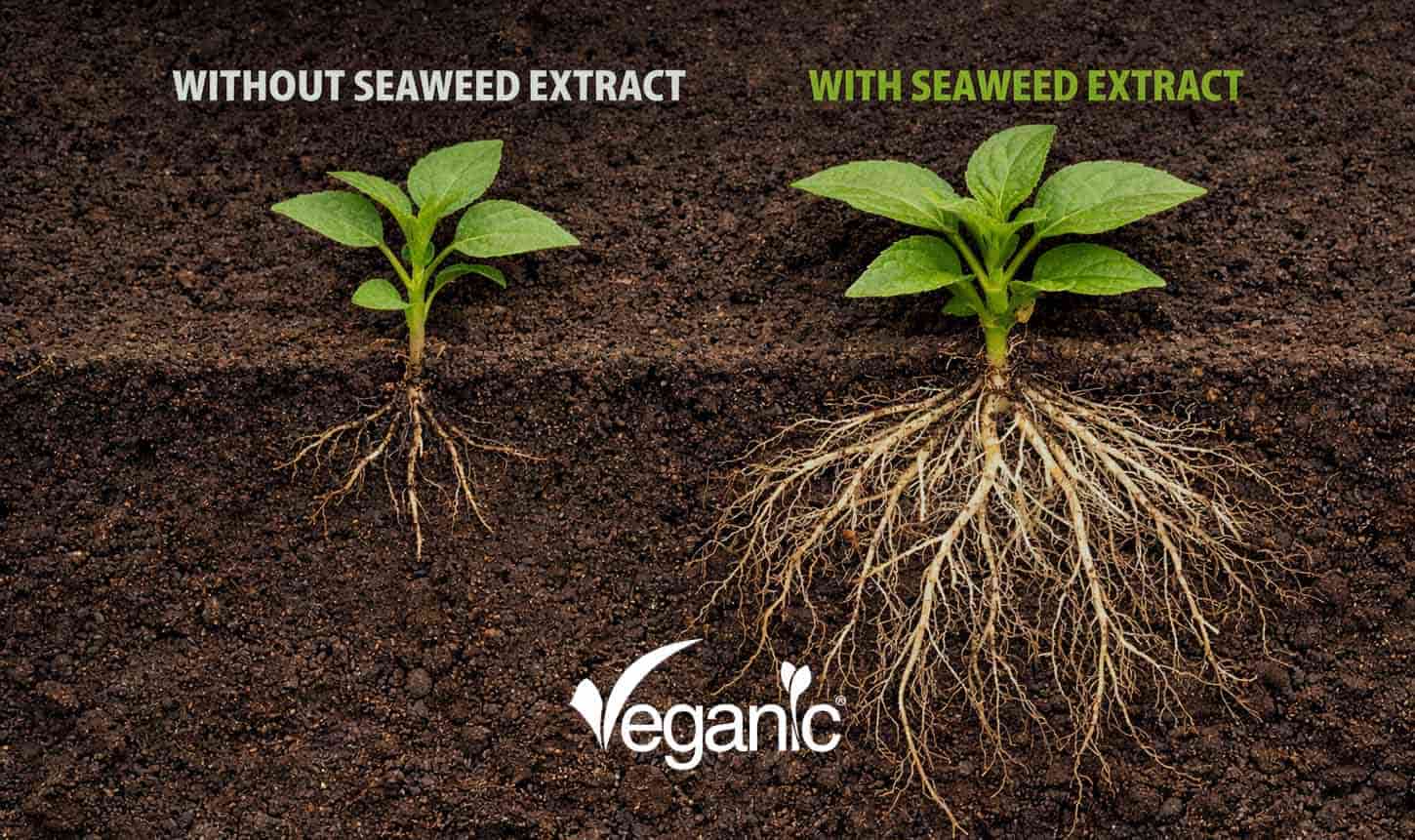
Plant-based options such as compost and seaweed extracts are ideal for enhancing organic matter and improving soil aeration. They are also rich in potassium and micronutrients essential for root development.
Mineral-Based Organic Inputs
These include substances like rock phosphate and natural potassium sources. Though technically mineral, they are still allowed under many organic certification schemes due to their natural origin and minimal processing.
Benefits of Using Organic Fertilizers in Farming
Soil Health and Microbial Activity
Organic fertilizers significantly boost soil biodiversity, encouraging the presence of beneficial microbes, fungi, and earthworms. This leads to improved nutrient cycling and a resilient soil ecosystem.
Crop Quality and Long-Term Productivity
Fruits and vegetables grown with organic inputs often show higher levels of antioxidants and phytochemicals. More importantly, organic practices help preserve soil fertility for future planting cycles.
These practices are part of a broader shift toward sustainable biosolutions that integrate organic fertilizers, beneficial microorganisms, and eco-friendly agricultural inputs.
Disadvantages and Limitations to Consider
Nutrient Imbalance Risks
Organic fertilizers tend to have lower nutrient concentrations, and their nutrient ratios aren’t always balanced. This requires careful planning and complementary fertilisation strategies to avoid deficiencies.
Cost and Availability Issues
They may be more expensive or difficult to obtain, especially in large-scale operations. Additionally, transportation and storage of organic materials can be more challenging than synthetic granules.
How to Apply Organic Fertilizers Effectively
Timing and Methods of Application
Best practices include incorporating fertilizers into the soil before planting or as top dressing during the growth cycle. Because of slow nutrient release, applications should be timed ahead of peak demand.
Compatibility With Different Crops
Different crops require different nutrient profiles. For instance, leafy greens benefit from nitrogen-rich compost, while fruiting crops may require higher phosphorus and potassium levels. Tailoring your approach ensures optimal results.
The Role of Biotechnology in Modern Organic Fertilizers
Biofertilizers and Microbial Additives
Biotechnology has enabled the development of biofertilizers—formulations containing beneficial bacteria and fungi such as Rhizobium and Trichoderma. These enhance nutrient uptake, promote plant growth, and suppress pathogens.
Future Trends in Sustainable Fertilization
New research is exploring genetically engineered microbes that can fix atmospheric nitrogen or unlock soil-bound nutrients. The integration of AI and biotechnology into agriculture is set to revolutionise organic fertiliser application.
What are organic fertilizers made of?
According to research by the Food and Agriculture Organization (FAO), organic fertilizers play a key role in improving long-term soil health and sustainable farming systems.
Organic fertilizers are made from natural materials like compost and seaweed. They contain nutrients in organic form that slowly release into the soil.
How do organic fertilizers benefit the soil?
They improve soil structure, increase microbial activity, and enhance water retention. This leads to healthier, more productive soil over time.
Are organic fertilizers better than chemical fertilizers?
For long-term soil health, yes. Organic fertilizers are more sustainable and safer for the environment, although they release nutrients more slowly than chemical options.
Can I use organic fertilizers for all types of crops?
Yes, but different crops require different nutrient profiles. It’s essential to choose the right type of organic fertilizer based on your crop’s needs.
Do organic fertilizers work immediately?
No. Organic fertilizers release nutrients gradually as they decompose, which means their effects are slower but longer lasting.
How do I apply organic fertilizer to my garden?
Apply it as a top dressing, mix it into the soil before planting, or use compost tea. Always follow best practices based on your plant type and soil condition.
Are organic fertilizers eco-friendly?
Yes. They are biodegradable, renewable, and contribute less to water pollution and greenhouse gas emissions compared to synthetic fertilizers.