

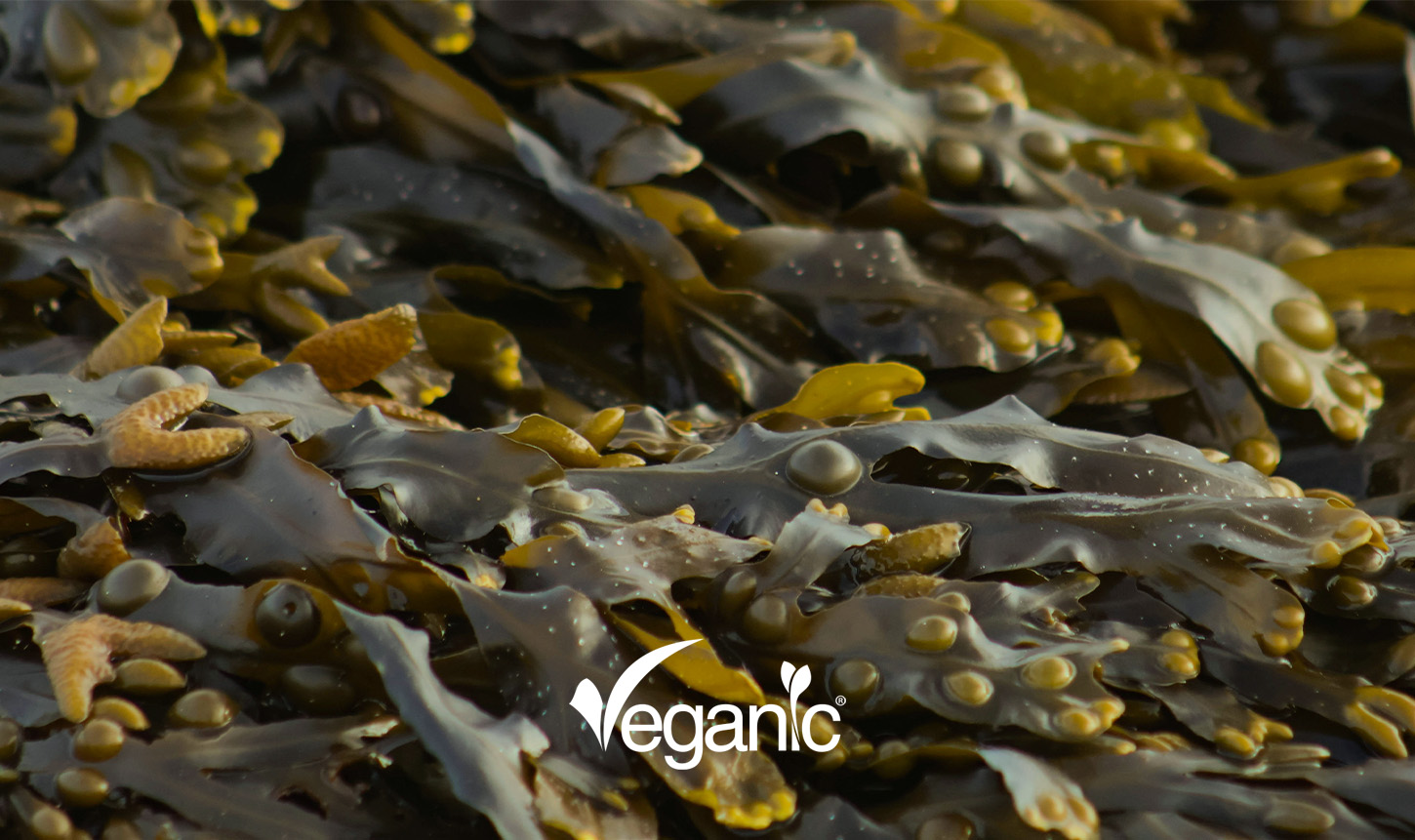
The use of seaweed extract fertilizer has grown rapidly in modern agriculture as growers look for tools that can improve plant performance in a sustainable way. Unlike conventional fertilizers that mainly supply nutrients, seaweed extracts act as plant biostimulants, enhancing natural physiological processes related to growth, stress tolerance and quality.
In this guide, we explain what seaweed extract fertilizer is, how it is produced, which bioactive compounds it contains, and how it can be integrated into professional crop management programs in both organic and conventional systems.
In short: Seaweed extract fertilizer is a natural plant biostimulant made from marine brown algae such as Ascophyllum nodosum and kelp. Rather than simply supplying nutrients, it stimulates the plant’s own physiology — promoting root growth, stress tolerance, flowering and fruit quality — and is suitable for both organic and vegan farming.
Main uses of seaweed extract in agriculture:
- Stimulating root development and crop establishment
- Improving tolerance to drought, salinity, heat and cold stress
- Enhancing flowering, fruit set and fruit quality
- Increasing nutrient uptake and nutrient use efficiency
- Boosting overall crop vigor and yield stability
1. What Is Seaweed Extract Fertilizer and How Is It Made?
Seaweed extract fertilizer is obtained from marine macroalgae, mainly brown seaweeds such as Ascophyllum nodosum, Laminaria and other kelp species. These algae are rich in organic molecules that act as natural plant biostimulants, improving root development, vegetative growth and stress resilience.
The production process usually follows one of two main routes:
- Alkaline extraction: seaweed biomass is treated with alkaline solutions and heat to solubilize polysaccharides and other compounds. It is efficient but may partially degrade some sensitive molecules.
- Cold or gentle extraction: mechanical and enzymatic processes are used to obtain a more “biologically intact” extract, preserving delicate components such as certain phytohormones.
The resulting product can be formulated as a liquid seaweed fertilizer, a soluble powder or a concentrated paste that is later diluted for foliar spray, fertigation or seed treatment.
2. Key Bioactive Compounds Found in Seaweed Extracts
The agronomic value of seaweed extract fertilizer is linked to its high content of bioactive compounds rather than to its direct macronutrient levels. Among the most important components are:
2.1. Natural Plant Hormones
Brown seaweeds contain cytokinins, auxins and gibberellins that influence key processes such as cell division, root initiation, shoot development and delay of senescence. These hormone-like effects explain why seaweed extracts often enhance early growth and overall vigor.
2.2. Polysaccharides and Alginates
Seaweed extracts are rich in polysaccharides like alginates, laminarin and fucoidans. These molecules contribute to soil structure, water retention and act as elicitors, helping plants activate their natural defense systems.
2.3. Amino Acids, Vitamins and Organic Acids
Although present in moderate concentrations, amino acids, vitamins and organic acids support metabolic activity and can enhance nutrient assimilation and stress recovery when combined with traditional fertilization programs.
2.4. Micronutrients and Trace Elements
Seaweed matrices naturally accumulate iron, zinc, manganese, copper and other micronutrients essential for enzymatic activity and chlorophyll synthesis. In seaweed extract fertilizer, these elements are often present in chelated or easily available forms.
3. How Seaweed Extract Fertilizers Work as Natural Biostimulants
Unlike simple NPK products, seaweed extract fertilizers act primarily by stimulating the plant’s physiology. They are considered biostimulants because they enhance natural processes rather than replacing them. Their main agronomic effects include:
- Enhanced root development and better early establishment.
- Improved nutrient uptake and transport within the plant.
- Greater stress tolerance under drought, salinity or temperature extremes.
- Better flowering and fruit set in many fruit and vegetable crops.
- Improved quality parameters such as color, size and uniformity of harvested products.
The combined action of natural hormones, polysaccharides and micronutrients explains why seaweed extract fertilizer is increasingly used as a complementary tool in integrated crop management programs.
4. Major Agricultural Benefits of Seaweed Extract Fertilizer
From a grower’s perspective, the decision to include seaweed extract in a fertilization plan should be justified by clear, measurable benefits. The most frequently reported advantages are:
4.1. Stronger and Deeper Root Systems
The hormone-like activity of seaweed extracts promotes root initiation and branching. A more extensive root system increases the exploration volume in the soil, improving access to water and nutrients and supporting better crop establishment.
4.2. Improved Shoot Growth and Leaf Area
By stimulating cell division and chlorophyll synthesis, seaweed extract fertilizer often leads to enhanced vegetative growth. This can translate into larger leaf area, higher photosynthetic capacity and ultimately increased biomass and yield.
4.3. Enhanced Stress Tolerance
One of the key advantages of seaweed-based biostimulants is their capacity to help plants cope with abiotic stress. Applications before or during drought, heat waves or salinity episodes can mitigate yield losses by supporting water balance and maintaining metabolic activity.
4.4. Better Flowering, Fruit Set and Quality
In many horticultural crops, fruit trees and vineyards, growers use seaweed extract sprays around flowering to improve fruit set and reduce early drop. The resulting harvests often show better size, color and uniformity, contributing to higher commercial value.
4.5. Support for Nutrient Use Efficiency technology
When combined with mineral or organic fertilizers, seaweed extracts can enhance nutrient use efficiency. By improving root activity and internal transport, plants make better use of the nutrients already supplied, supporting more sustainable input management.
5. Seaweed Extract vs. Chemical Fertilizers: Key Differences
Seaweed extract fertilizer should not be seen as a direct replacement for NPK fertilizers, but as a complementary tool. Some important differences include:
- Mode of action: chemical fertilizers provide nutrients; seaweed extracts stimulate physiological processes and improve the use of those nutrients.
- Nutrient concentration: seaweed products are usually lower in N, P and K but richer in bioactive molecules and micronutrients.
- Environmental impact: when properly used, seaweed-based products can help reduce excessive fertilizer doses and support more sustainable agriculture.
- Regulatory category: in many markets, seaweed products are classified as biostimulants rather than fertilizers, which affects labelling and use recommendations.
Integrating seaweed extract into fertilization programs allows growers to combine the predictable supply of nutrients from standard fertilizers with the biological boost provided by biostimulants.
6. How to Apply Seaweed Fertilizer: Doses, Methods and Timing
To obtain consistent results from seaweed extract fertilizer, correct application is essential. While exact rates depend on the specific formulation and crop, several general strategies can be highlighted:
6.1. Foliar Sprays
Foliar application is one of the most common methods. Low doses of seaweed extract are sprayed on the leaves, allowing rapid absorption of bioactive compounds. It is often used:
- At early vegetative stages to promote growth.
- Around flowering to improve fruit set.
- Before and after stress events (heat, drought, cold).
6.2. Fertigation and Soil Application
In irrigated crops, seaweed extract can be injected through fertigation systems. This brings the product directly to the root zone, supporting root development and soil–root interactions. It is particularly useful in vegetables, fruit crops and high-value greenhouse production.
6.3. Seed and Transplant Treatments
Treating seeds or seedlings with seaweed-based biostimulants enhances early vigor. Seed coating, root dipping or plug tray treatments are effective ways to ensure that young plants start with a strong, active root system.
6.4. Frequency and Compatibility
In most programs, seaweed extract fertilizer is applied several times during the crop cycle at low to moderate doses. It is generally compatible with many fertilizers and crop protection products, but jar tests and label instructions should always be followed to avoid incompatibilities.
7. Why Seaweed Extracts Matter in Sustainable Agriculture
As agriculture faces increasing pressure to reduce its environmental footprint, inputs that offer high agronomic efficiency with low impact are gaining strategic importance. Seaweed extract fertilizers fit this profile:
- They are derived from renewable marine resources when harvested responsibly.
- They can help reduce dependence on purely synthetic inputs.
- They support soil health, biodiversity and plant resilience.
- They are often compatible with organic certification schemes, depending on formulation.
In many production systems, from orchards and vineyards to greenhouse vegetables and arable crops, seaweed extracts are now considered a core component of integrated nutrition and biostimulation strategies.
8. Frequently Asked Questions about Seaweed Extract Fertilizer
Is seaweed extract fertilizer enough to feed my crops?
No. Seaweed extract is primarily a biostimulant, not a complete fertilizer. It should be used together with balanced nutrient programs (mineral or organic) to supply the required N, P and K.
Can I use seaweed extract in both organic and conventional farming?
In many cases, yes. Most seaweed-based products are accepted in both systems, but growers should always verify the specific organic certification status and local regulations.
Will seaweed extract always increase yield?
Yield response depends on crop type, soil conditions, climate and overall management. Seaweed extracts tend to show the greatest benefit under stress conditions or in high-performance systems where plants are already well nourished.
Can I mix seaweed extract with other agrochemicals?
Many seaweed extract fertilizers are compatible with common fertilizers and crop protection products, but compatibility should always be checked through label instructions and small-scale tank tests before large applications.
How soon will I see effects after applying seaweed extract?
Some effects, such as improved turgor or leaf color, may be visible within days after a foliar spray. Structural changes like better root systems or improved yield become evident over several weeks or throughout the crop cycle.
What is seaweed extract fertilizer used for?
It is used to stimulate root development, improve tolerance to stress (drought, salinity, heat and cold), enhance flowering and fruit quality, and increase nutrient use efficiency. It works as a complement to a crop’s nutrition program, not as a standalone nutrient source.
What is a seaweed biostimulant?
A seaweed biostimulant is a product derived from marine algae that boosts the plant’s natural processes — such as rooting, nutrient uptake and stress resistance — through bioactive compounds like natural plant hormones, polysaccharides and amino acids, rather than by directly supplying mineral nutrients.