


Strategies to Improve Water Efficiency in Modern Crops
Managing drought stress is one of the greatest challenges in today’s agriculture. Rising temperatures, irregular rainfall and higher evapotranspiration rates demand new strategies that help crops maintain performance under limited water availability. Biostimulants play a central role in this shift, offering natural tools that enhance water use efficiency, root development and stress tolerance.
This guide explores how biostimulants can support drought stress management in crops, explaining the physiological mechanisms involved and practical strategies for improving crop resilience.
1. Understanding Drought Stress in Crops
Drought stress occurs when the water available to plants is insufficient to maintain normal physiological functions. It affects:
- photosynthesis
- nutrient uptake
- root growth
- cell expansion
- fruit development
In severe cases, drought induces oxidative stress, membrane damage and premature senescence. Effective drought stress management therefore requires both agronomic and physiological solutions.
2. Physiological Mechanisms Behind Drought Tolerance
Plants use several mechanisms to survive drought:
2.1. Osmotic Adjustment
To retain water, plants accumulate osmoprotectants such as proline, glycine-betaine and soluble sugars that help maintain cell turgor.
2.2. Stomatal Regulation
Stomata partially close to reduce water loss while keeping enough gas exchange for basic metabolism.
2.3. Antioxidant Defense
Drought increases reactive oxygen species (ROS). Plants activate enzymatic and non-enzymatic antioxidants to prevent cellular damage.
2.4. Enhanced Root Growth
Root systems adapt by expanding deeper and increasing branching to access water from lower soil layers.
3. How Biostimulants Help Plants Cope with Water Deficit
Biostimulants enhance natural drought tolerance mechanisms. They do not provide water; instead, they improve plant resilience so crops can maintain productivity with less water.
3.1. Enhancing Osmoprotection
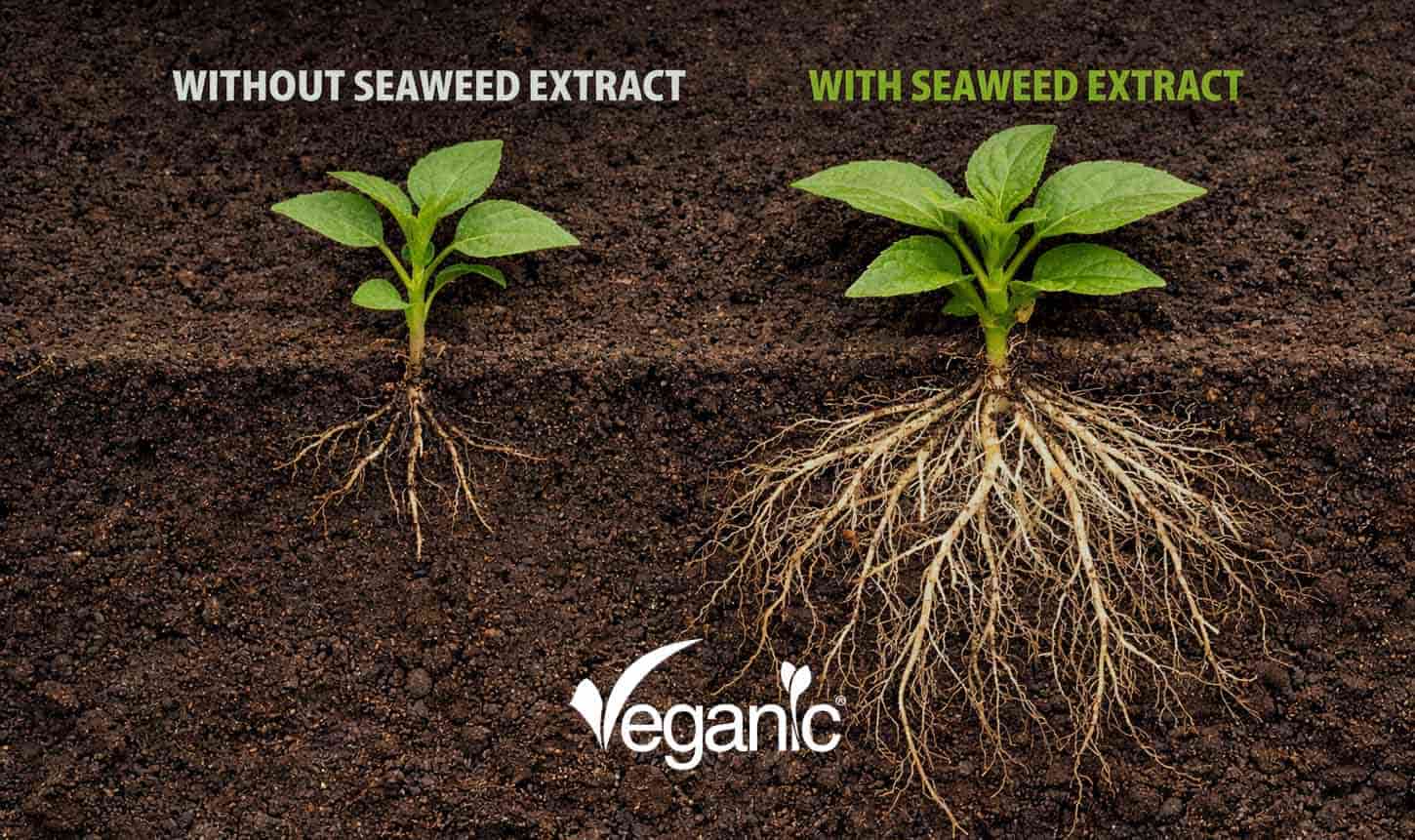
Amino acids and seaweed extracts increase levels of proline and compatible solutes, improving internal water retention.
3.2. Improving Root Architecture
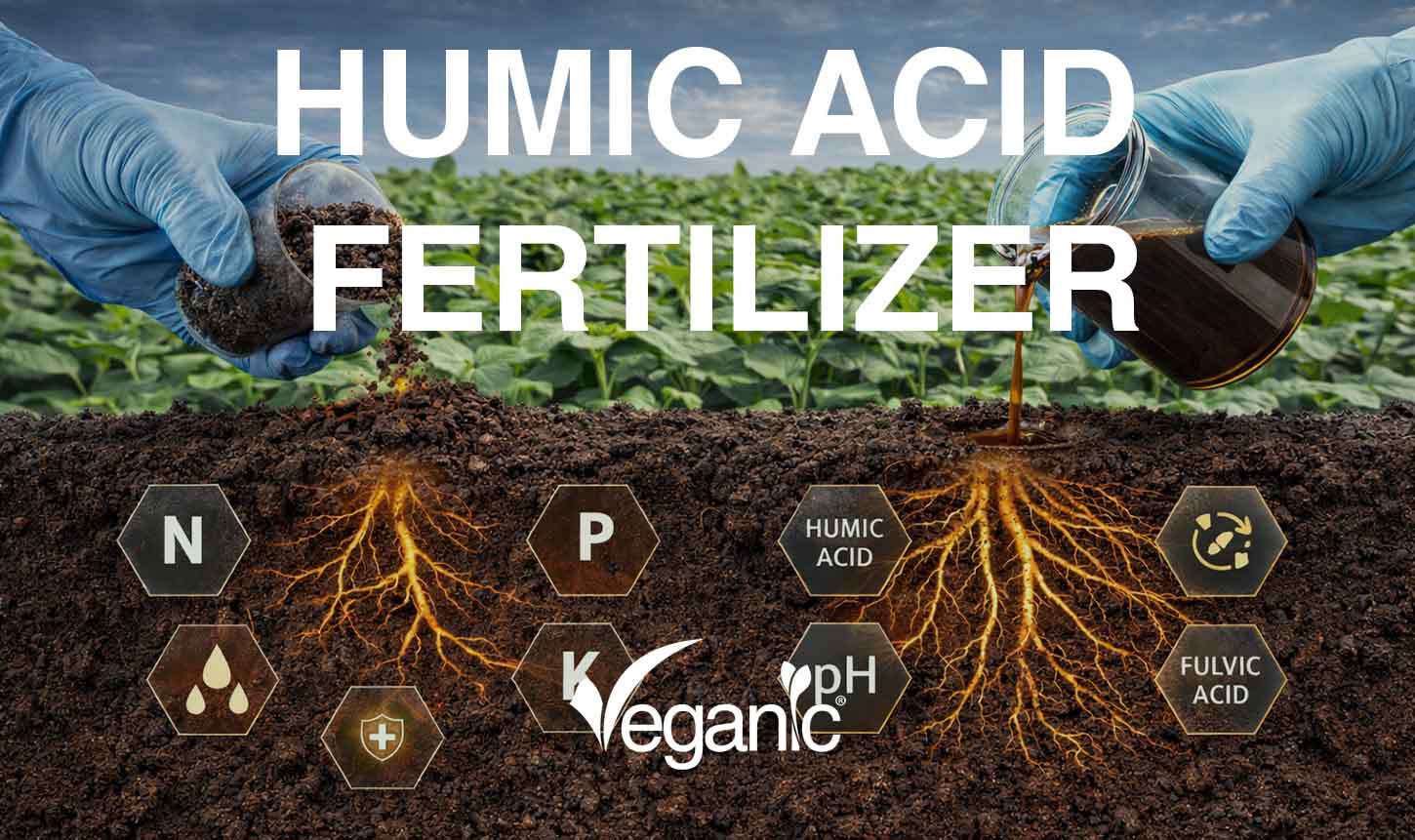
Products such as humic substances and PGPR stimulate root elongation, branching and fine root formation, expanding the plant’s access to water.
3.3. Strengthening Cell Walls
Silicon improves leaf rigidity, reduces transpiration and protects tissues during drought periods.
3.4. Increasing Water Use Efficiency (WUE)
Biostimulants help plants maintain photosynthesis and growth with less water, directly improving WUE.
3.5. Enhancing Antioxidant Defense
Antioxidant-boosting biostimulants minimize oxidative damage, helping crops recover faster after stress.
4. Key Types of Biostimulants for Drought Stress
4.1. Amino Acids
Amino acids enhance osmoprotection, support metabolic activity and improve recovery after water deficit.
4.2. Seaweed Extracts
Rich in natural hormones and polysaccharides, they improve water retention, stomatal behavior and stress resilience.
4.3. Humic and Fulvic Acids
These substances improve root development, soil water retention and the plant’s ability to explore deeper soil layers.
4.4. Silicon
Silicon reduces transpiration, improves leaf structure and supports antioxidant activity during drought events.
4.5. PGPR Microbial Biostimulants
Beneficial bacteria enhance root growth and produce anti-stress metabolites that improve drought tolerance.
5. Strategies to Improve Water Use Efficiency in Agriculture
Biostimulants should be part of a broader strategy to optimize water use.
5.1. Strengthening Root Systems
Root biostimulants combined with optimized irrigation enable deeper and more efficient water capture.
5.2. Enhancing Soil Moisture Retention
Humic acids, organic matter and certain polysaccharides improve soil water-holding capacity.
5.3. Supporting Photosynthesis Under Stress
Amino acids and seaweed extracts maintain chlorophyll activity even during drought conditions.
5.4. Improving Nutrient Uptake
Drought reduces nutrient uptake; biostimulants help maintain nutrient mobility and assimilation.
5.5. Reducing Transpiration Losses
Silicon minimizes unnecessary water loss and increases tissue resilience.
6. Integrating Biostimulants into Drought Stress Management Programs
Effective drought stress management in crops requires integrating biostimulants with irrigation, fertilization and soil management.
6.1. Foliar Applications Before and During Stress
Seaweed extracts, amino acids and silicon provide rapid protection and improved resilience.
6.2. Root and Soil Treatments
Humic acids and PGPR help establish deeper, stronger root systems for long-term drought tolerance.
6.3. Fertigation Programs
Biostimulants applied through fertigation ensure uniform distribution and fast absorption, ideal for high-value crops.
7. Climate-Resilient Agriculture: Why Drought Management Matters
Extreme drought events are increasing worldwide, making biostimulant-based strategies essential for maintaining yield stability and profitability. By improving water efficiency, enhancing natural defenses and strengthening soil–plant interactions, biostimulants help growers adapt to climate variability.
Frequently Asked Questions about Drought Stress Management in Crops
What is drought stress management in crops?
Drought stress management crops refers to strategies that improve plant tolerance to water deficit through biostimulants, irrigation optimization and physiological enhancement.
How do biostimulants reduce drought stress?
Biostimulants improve osmoprotection, root growth, stomatal regulation and antioxidant defense, helping plants maintain performance under limited water.
Which biostimulants are best for drought?
Amino acids, seaweed extracts, humic substances, silicon and PGPR offer strong drought stress mitigation effects across most crop types.
Can biostimulants replace irrigation?
No. Biostimulants do not supply water; they improve plant efficiency and resilience, complementing but not replacing irrigation programs.
Are drought biostimulants useful in all crops?
Yes. Vegetables, fruit trees, vineyards, berries and field crops all benefit from improved water use efficiency and stress tolerance.